8 Pasta Secrets That Will Change the Way You Eat It
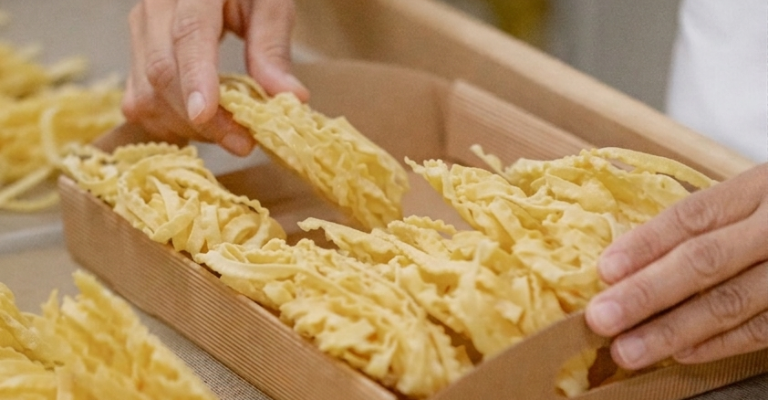
Think you already know everything about pasta? Think again. The shape you choose, the water you pour away and even the way pasta is made can change what ends up on your fork. And in Gragnano, Italy, some of these details have been perfected over generations. For World Pasta Day on October 25, here are eight things worth knowing about one of the world's most loved foods.
World Pasta Day: the numbers behind our favourite comfort food
Pasta is everywhere. But why does Italy still matter so much?
Pasta has travelled far beyond Italy, finding a place in kitchens around the world. Yet Italy remains at the heart of its production. In 2025, Italian pasta production reached approximately 4.2 million tonnes, and exports accounted for 48.3% of global pasta trade.
Germany, the United States, France and the United Kingdom are among the leading destinations for Italian pasta. But pasta's success is not just about exports: it is about how easily a simple ingredient adapts to local tastes, family traditions and entirely different ways of cooking.
Fonte: WORLD PASTA DAY 2026, CHE VITA SAREBBE SENZA PASTA? – Unione Italiana Food
When is pasta more than just dinner?
In Italy, pasta can mean Sunday lunch with the family, a quick meal after work or a plate shared with friends. Its appeal lies in that rare combination of comfort and possibility: the same pantry staple can become a five-minute meal or the centrepiece of a dinner party. And that flexibility is part of its global appeal. Every culture brings its own ingredients and habits to the table, giving pasta a different identity wherever it goes.
What is Gragnano's not-so-secret ingredient?

The answer isn't a single ingredient. Gragnano, in Campania, southern Italy, has a pasta-making tradition shaped by its local environment and generations of know-how. At La Fabbrica della Pasta di Gragnano, durum wheat semolina from the Appulo-Lucana supply chain meets water from the Imbuto spring, bronze-die shaping and slow, low-temperature drying. The result is pasta made with attention to its texture, shape and the way it works with a sauce — details that can make a difference long before the first bite.
8 pasta facts you'll want to share
- The secret to a silkier sauce? Don't pour all that pasta water down the drain. Its starch helps bring sauce and pasta together. Add a splash while tossing everything in the pan.
- What does “al dente” really mean? Literally “to the tooth”. The pasta should be cooked through but still have a little bite.
- Why are some pasta shapes ridged or twisted? Those curves and grooves give sauce more places to cling. Shape is part of the eating experience, not just decoration.
- Why is it called “pasta”? The word comes from Latin pasta, which in turn derives from the Ancient Greek pástē, referring to a mixture of flour, water and salt.
- Why use bronze dies? Italy alone has more than 300 pasta shapes, according to popular sources, and the number keeps growing. La Fabbrica della Pasta di Gragnano makes over 150 of them.
- How many shapes are there? Hundreds of varieties exist, each with its own texture and personality. La Fabbrica della Pasta di Gragnano makes more than 150 shapes.
- Should you rinse pasta after cooking? No, rinsing removes surface starch that can help the sauce cling.
- Meet the Caccavella: The Caccavella is a single-serving pasta shape of about 50 g.
Celebrate #WorldPastaDay , try a shape you don't usually buy, give your sauce a little pasta water, or discover a new recipe. Sometimes the smallest change makes dinner much more interesting. Share your pasta creation with us on social channels!


